GTM Partners
Get Started
CEO PerspectivesPillar 3: Brand & Demand
2026-07-23
24:05

10 Lessons From Building Two $10M Companies

Compare the realities of scaling a venture-backed SaaS company versus a bootstrapped services firm to $10M ARR, highlighting crucial tradeoffs in category creation, GTM motions, and personal leadership.
Pillar 3: Brand & DemandPillar 8: Leadership & Management
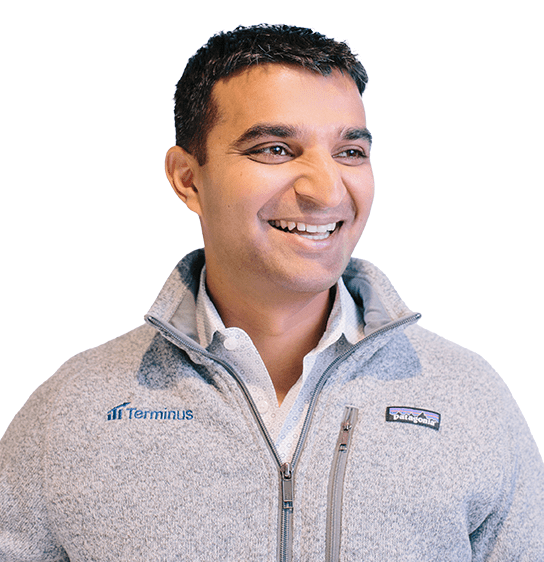
Sangram Vajre
Co-Founder, GTM Partners & Author of MOVE
Streaming directly from GTM Partners Video Hub

About This Video

Topic
Lessons in scaling from $0 to $10M across venture-backed and bootstrapped business models
Audience
CEOs, CROs, CMOs & GTM leaders
Frameworks Covered

Executive Takeaways

  • Venture capital versus bootstrapping: Raising over $100M at Terminus did not translate to personal liquidity early on, whereas building a bootstrapped services business at GTM Partners provided immediate profitability and control.
  • Category creation is high-risk: Roughly 99% of founders should not attempt category creation due to the immense capital and market-education burden; dominating an existing niche is often a more viable path.
  • Modern GTM shifts toward 'Service as a Software': Shifting from pure SaaS to service-led models, coupled with lean tech stacks, community, thought leadership, and live events, creates defensibility against commoditization.
  • Personal sustainability and leadership: Scaling a company requires maintaining an identity and personal life outside the business, choosing specialists over generalists, and aligning business milestones with desired personal outcomes.

Key Questions Answered in This Deep Dive

Should B2B founders raise venture capital or bootstrap to $10M?

It depends on the desired outcome and business model. Raising significant VC capital accelerates top-line growth and market capture but increases dilution and pressure, whereas bootstrapping requires disciplined cash management while offering greater control and personal financial return.

Why shouldn't most founders attempt to build a new category?

Category creation requires massive capital, extensive market education, and years of evangelism that 99% of startups cannot sustain. Competing effectively in an existing market with distinct positioning and execution is far less capital-intensive.

What is the 'Service as a Software' model in B2B?

Rather than selling standalone software that customers struggle to adopt, 'Service as a Software' pairs software capabilities directly with domain expertise and execution. This approach drives immediate customer value and higher retention compared to traditional SaaS.

How do live events and community prevent business commoditization?

Thought leadership, owning the industry microphone, and building authentic peer communities create deep brand loyalty. This prevents a company from competing solely on price and features, making customer relationships resilient.

View Full Video Transcript
I've taken two companies from zero to $10 million: Terminus, which raised over $100 million and exited to private equity for nine figures, and GTM Partners, a bootstrapped services business I'm running now. Same founder, completely different playbooks. In this video I share ten lessons from doing it twice, and the honest version of what building a business actually costs. Some of it is counterintuitive: raising $100 million didn't put money in my pocket, but the bootstrapped company did. Most founders should never try to build a category. The better model in 2026 might be "service as a software," not software as a service. And the last three lessons are the ones nobody talks about: business nearly cost me my marriage, why faith and identity outside the company matter, and why growth never happens alone. ⏱ TIMESTAMPS (00:00) Two ways to build a $10M company (00:43) Lesson 1: business is hard, no matter what (02:29) Lesson 2: raise money or bootstrap? (05:11) Lesson 3: building in an up market vs a down market (07:59) Lesson 4: software as a service vs service as a software (08:33) Lesson 5: why 99% of founders should not build a category (13:36) Lesson 6: thought leadership and owning the microphone (14:57) Lesson 7: community, or you're just a commodity (15:07) Your go-to-market motion: why events drove everything (16:39) Lesson 8: a lean tech stack (and no CRM) (17:35) Lesson 9: specialists over generalists (19:00) Lesson 10: what outcome do you actually want? (20:36) The hard truth: business nearly cost me my marriage (22:04) Faith, identity, and not tying yourself to the company (22:57) The co-founder relationship, and growing with someone 📌 Subscribe for daily GTM OS strategy and leadership frameworks: https://www.youtube.com/@SangramHere?sub_confirmation=1
Put the GTM Operating System™ Into Practice

Work With a Certified GTM OS Partner

A Certified GTM OS Partner can help your executive team diagnose where growth is breaking, run GTM Planning, and implement the GTM OS pillars that matter most to your business.

Find a Certified GTM OS PartnerTake the GTM Assessment

Continue Exploring

HubSpot's CEO: 90% Use AI, Only 6% Win With It
09:12
CEO Perspectives

HubSpot's CEO: 90% Use AI, Only 6% Win With It

Evangelism Is the Purest Form of Sales
06:09
CEO Perspectives

Evangelism Is the Purest Form of Sales

I Was a Career CMO. Here's the Hard Truth About Marketing's Value.
03:50
Executive Masterclasses

I Was a Career CMO. Here's the Hard Truth About Marketing's Value.

← Back to all videos & masterclasses